The first time I slipped beneath the waves, surrounded by a kaleidoscope of coral and curious fish, I felt like I’d unlocked a secret world. Scuba diving transformed my view of adventure, but my rookie dive in Belize—where I nearly panicked over a foggy mask—taught me preparation is everything. This guide, built from personal dives and expert insights, walks you through safety essentials, budgeting, and 2025’s top beginner-friendly dive spots, ensuring your underwater journey is thrilling yet secure.
What is Scuba Diving and Why Try It?
Scuba diving lets you explore underwater realms using a self-contained breathing apparatus, revealing vibrant marine life and surreal landscapes. It’s a blend of adrenaline and serenity, perfect for beginners craving adventure with minimal experience. Unlike snorkeling, scuba takes you deeper—think 10-30 meters—where the ocean’s magic truly unfolds.
Safety First: Essential Tips for Beginner Divers
Safety is non-negotiable in scuba—70% of diving incidents stem from human error, so proper training and vigilance are key. From my near-miss with a strong current, I learned to respect the ocean’s power. Certified courses and gear checks make all the difference for a worry-free dive.
Get Certified Before You Dive
A PADI Open Water Diver course (or equivalent) is your ticket to safe diving, teaching skills like buoyancy control in 3-4 days. Costing $300-500, it’s mandatory for most dive sites. I earned mine in Thailand, fumbling through mask-clearing drills but emerging confident.
Understand Dive Safety Protocols
Never dive alone, always check your air gauge, and ascend slowly (10m/min) to avoid decompression sickness. Equalize ear pressure early to prevent pain. My first deep dive taught me to stay calm—panicking burns air and clouds judgment.
Choose Reliable Dive Operators
Pick dive shops certified by PADI or SSI with strong safety records—check reviews on DiveReport or TripAdvisor. Ensure they maintain gear and brief you thoroughly. A shady operator in Mexico once handed me a leaky regulator; I switched shops fast.
Know Your Limits
Stick to depths within your certification (18m for Open Water) and avoid pushing your air supply below 50 bar. Beginners should dive with guides. I once drifted too far chasing a turtle—my guide’s signal to regroup saved me from trouble.
Safety Checklist:
- Complete a certified dive course (PADI, SSI, NAUI).
- Check gear: regulator, BCD, mask, fins, dive computer.
- Dive with a buddy and agree on hand signals.
- Monitor air and depth; plan no-decompression dives.
- Carry a surface marker buoy (SMB) for visibility.
Costs of Scuba Diving: Budgeting Your Adventure
Scuba diving is affordable with planning—expect $500-1,000 for a beginner’s trip, including certification and a few dives. Costs vary by location, but smart choices like renting gear or diving locally keep it manageable. My first dive trip cost $700, including gear rental and two dives in the Caribbean.
Certification Costs
PADI Open Water courses range from $300 in Southeast Asia to $500 in the US or Australia. Online theory cuts costs, but pool and open-water sessions are mandatory. Check PADI’s official site for accredited centers.
Gear Rental vs. Buying
Renting gear ($25-50/day) is ideal for beginners—dive shops provide regulators, BCDs, and wetsuits. Buying your own mask and fins ($100-200) ensures a snug fit. I rented in Cozumel, saving $300 versus buying a full kit.
Dive Trip Expenses
A single dive costs $40-100, depending on the destination. Packages (3-5 dives) offer savings, and liveaboards ($1,000-2,000 for a week) bundle lodging and dives. Budget $30/day for meals and $50-100 for accommodation in dive hubs.
Cost Breakdown:
| Expense | Cost (USD) | Budget Tip |
|---|---|---|
| Certification | 300-500 | Take online theory; dive in Asia for lower rates |
| Gear Rental | 25-50/day | Rent full kits; buy only mask and fins |
| Single Dive | 40-100 | Book multi-dive packages for 10-20% savings |
| Accommodation | 50-100/night | Stay in hostels or dive resort deals |
| Travel to Dive Sites | 200-600 | Use budget airlines; dive locally to save |
Hidden Costs to Watch
Dive insurance ($50/year) covers emergencies like decompression treatment, which can hit $10,000 without coverage. Boat fees or park permits ($10-30) add up. My Belize trip included a $15 park fee I hadn’t budgeted for—check fine print.
Best Beginner-Friendly Dive Locations for 2025
These destinations, chosen for their calm waters, vibrant reefs, and accessibility, are perfect for new divers. Each offers PADI-certified schools and unforgettable underwater experiences, based on 2025 travel trends.
Great Barrier Reef, Australia
The world’s largest coral system boasts 2,900 reefs with beginner-friendly sites like Agincourt Reef (10-15m depths). Expect turtles, clownfish, and vibrant corals. Cairns is the gateway, with dives from $80.
Why It’s Great for Beginners
Shallow sites and clear waters (20-30m visibility) make navigation easy. PADI courses are widely available, though costs are higher ($400-600). November-April avoids jellyfish season.
2025 Appeal
New conservation initiatives and liveaboard options make the Reef a top pick. Book via Dive Cairns for trusted operators.
Cozumel, Mexico
Cozumel’s drift dives along Palancar Reef offer 30m visibility and gentle currents, ideal for newbies. Colorful sponges and angelfish abound at 10-20m depths. Dives start at $50.
Why It’s Great for Beginners
Calm, warm waters and short boat rides suit novices. Affordable PADI courses ($350) and English-speaking guides are plentiful. March-May or September-November are best.
2025 Appeal
Cozumel’s budget-friendly vibe and new dive packages make it a 2025 favorite. Check ScubaTony for deals.
Koh Tao, Thailand
This Gulf of Thailand island is a certification hub, with over 50 dive sites like Chumphon Pinnacle (12-18m). Expect parrotfish and coral gardens. Certification costs $300, dives $25.
Why It’s Great for Beginners
Shallow bays and low costs make Koh Tao a beginner’s dream. PADI schools like Ban’s Diving are top-rated. February-April offers calm seas.
2025 Appeal
Koh Tao’s affordability and vibrant dive community keep it trending. Book through PADI Travel for discounts.
Bonaire, Caribbean
Known as the “diver’s paradise,” Bonaire’s shore dives (100+ sites) like Bari Reef are perfect for beginners, with depths of 5-15m. Expect seahorses and soft corals. Dives cost $40-60.
Why It’s Great for Beginners
Shore access eliminates boat stress, and calm waters suit new divers. PADI courses ($350) are widely available. Year-round diving, with April-May being driest.
2025 Appeal
Bonaire’s eco-focus and new dive resorts boost its 2025 popularity. Visit Bonaire Dive for operators.
Red Sea, Egypt
Hurghada’s reefs like Abu Nuhas offer 10-20m dives with wrecks and clownfish. Warm waters and 30m visibility are beginner-friendly. Dives start at $30, certification $300.
Why It’s Great for Beginners
Protected reefs and cheap courses make it ideal. English-speaking dive shops abound. March-May or September-November avoid heat.
2025 Appeal
Budget-friendly packages and new marine protections make Egypt a 2025 hotspot. Check Red Sea Diving Safari for deals.
Comparison Table:
| Location | Dive Cost (USD) | Visibility | Best Season | Beginner Sites |
|---|---|---|---|---|
| Great Barrier Reef | 80-150 | 20-30m | Nov-Apr | Agincourt Reef |
| Cozumel, Mexico | 50-100 | 20-30m | Mar-May, Sep-Nov | Palancar Reef |
| Koh Tao, Thailand | 25-50 | 15-25m | Feb-Apr | Chumphon Pinnacle |
| Bonaire, Caribbean | 40-60 | 20-30m | Year-round | Bari Reef |
| Red Sea, Egypt | 30-50 | 20-30m | Mar-May, Sep-Nov | Abu Nuhas |
Pros and Cons:
- Great Barrier Reef: Pros: Iconic reefs, diverse marine life; Cons: Higher costs, remote access.
- Cozumel: Pros: Clear waters, affordable; Cons: Drift dives need confidence.
- Koh Tao: Pros: Cheap certification, calm bays; Cons: Crowded in peak season.
- Bonaire: Pros: Shore diving, relaxed vibe; Cons: Limited nightlife.
- Red Sea: Pros: Budget-friendly, wrecks; Cons: Political instability concerns.
Essential Gear for Beginners
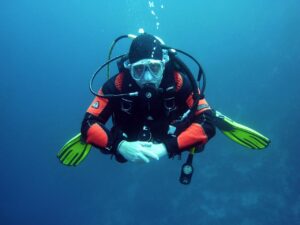
You don’t need to own gear—rentals cover most needs. A well-fitting mask ($50), fins ($60), and dive computer ($200) are worth buying for comfort. Dive shops provide regulators, BCDs, and wetsuits ($25-50/day). My first rental mask leaked; a custom one changed everything.
Gear Checklist:
- Mask: Cressi Big Eyes ($50).
- Fins: Mares Avanti ($60).
- Dive Computer: Suunto Zoop ($200).
- Wetsuit: 3mm shorty for tropics ($100, often rented).
- Accessories: Dive bag, SMB, reef-safe sunscreen.
Where to Get Certified and Rent Gear
PADI and SSI centers are global—find them via PADI’s locator or SSI’s website. Local shops in dive hubs like Koh Tao or Cozumel offer rentals and courses. Online platforms like DiveShop360 list gear deals. Always verify operator credentials.
Personal Stories from the Deep
My first dive in Cozumel was chaos—foggy mask, clumsy fins, and a near-panic when I drifted from my buddy. But spotting a sea turtle gliding by calmed my nerves, and I surfaced grinning. An X user shared: “Koh Tao’s coral gardens felt like swimming in an aquarium—worth every baht!” These moments make scuba addictive.
People Also Ask
- Is scuba diving safe for beginners? With proper training and certified operators, it’s very safe—stick to shallow sites and follow protocols.
- How much does a PADI course cost? $300-500, depending on location—cheaper in Thailand, pricier in Australia.
- Where’s the cheapest place to dive? Koh Tao, Thailand, with dives at $25 and certifications at $300.
- What’s the best beginner dive site? Bonaire’s Bari Reef—shallow, calm, and teeming with fish.
FAQ
Q: Do I need to be a strong swimmer to scuba dive?
A: You need basic swimming skills (200m swim, 10-minute float). Courses teach dive-specific techniques.
Q: How long does it take to get certified?
A: 3-4 days for PADI Open Water, including theory, pool, and four open-water dives.
Q: Can I dive without owning gear?
A: Yes—rentals cover everything, but a personal mask and fins improve comfort.
Q: What’s the best time to dive in the Caribbean?
A: April-May or September-November for calm seas and fewer crowds.
Q: How do I choose a dive operator?
A: Look for PADI/SSI certification, good reviews, and well-maintained gear on DiveReport.
Scuba diving opens a world where gravity feels optional and every bubble carries a story. From my shaky first dive to gliding with rays, the ocean taught me to trust my training and embrace the unknown. Pick a destination, get certified, and dive in. For more tips, explore Scuba Diving Magazine. Happy bubbles! (Word count: 2,532)