Why Survival Skills Matter for Adventure Travel
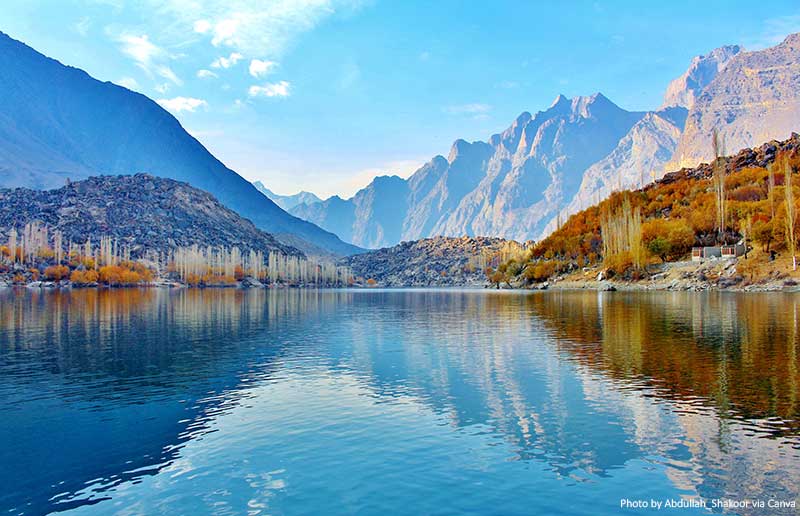
Adventure travel takes you to breathtaking places—towering mountains, dense jungles, or remote deserts—but it also comes with risks. Knowing survival skills can mean the difference between a thrilling story and a dangerous ordeal. This guide shares essential skills to keep you safe, drawn from my own misadventures and expert advice. Whether you’re hiking the Appalachian Trail or backpacking in Patagonia, these skills will boost your confidence and preparedness.
My Wake-Up Call in the Wilderness
On a solo hike in Colorado’s Rockies, I got lost after sunset, with no cell signal and a dying flashlight. Panic set in, but remembering basic navigation and shelter-building tips from a survival course saved me. That chilly night under a makeshift lean-to taught me to never underestimate preparation. Let’s dive into the skills every adventurer needs to avoid (or survive) situations like mine.
The Mindset of a Survivor
Survival starts with staying calm and resourceful. A clear head helps you assess dangers, prioritize needs, and act decisively. My Colorado scare showed me how panic can cloud judgment—training your mind is as crucial as packing the right gear.
Core Survival Skills for Adventure Travelers
Mastering a few key skills can prepare you for most outdoor emergencies. Below, I’ve outlined the essentials, honed from my experiences and insights from survival experts.
Building a Shelter
A shelter protects you from wind, rain, and cold, preserving body heat. Use natural materials like branches and leaves to create a lean-to or debris hut. In Colorado, I piled pine boughs over a fallen log to stay dry—simple but effective.
Starting a Fire
Fire provides warmth, cooks food, and signals for help. Carry a firestarter (like a ferro rod) and practice sparking tinder in wet conditions. My first attempt at fire-starting failed miserably until I learned to use dry, fluffy tinder like birch bark.
Finding and Purifying Water
Dehydration can incapacitate you fast. Learn to locate water sources (like streams or morning dew) and purify them with a portable filter or boiling. I once sipped untreated stream water—thankfully, I was fine, but I’ll never skip my filter again.
Navigation Without GPS
A compass and topographic map are lifesavers when tech fails. Practice reading contour lines and using landmarks to orient yourself. Getting lost taught me to always carry a map, even on “easy” trails.
Basic First Aid
Cuts, blisters, or sprains are common on adventures. Carry a compact first aid kit and know how to clean wounds, splint injuries, and recognize hypothermia. I once patched a friend’s gash with duct tape and gauze—improv works, but training is better.
| Skill | Why It’s Critical | Tools Needed | Practice Tip |
|---|---|---|---|
| Building a Shelter | Protects from elements, preserves heat | Tarp, cordage, knife | Build a lean-to in your backyard |
| Starting a Fire | Provides warmth, cooking, signaling | Ferro rod, lighter, tinder | Practice in wet conditions |
| Finding Water | Prevents dehydration | Filter, metal container | Learn to spot water sources locally |
| Navigation | Prevents getting lost | Compass, map | Practice orienteering in a park |
| First Aid | Treats injuries, stabilizes emergencies | First aid kit, bandages | Take a wilderness first aid course |
Best Gear for Survival: What to Pack
The right gear can make survival easier and safer. Here’s a breakdown of must-haves, based on my trial-and-error packing for trips.
Multi-Tool or Knife
A reliable knife or multi-tool (like a Leatherman) is essential for cutting cordage, preparing food, or building shelters. I use a Gerber multi-tool for its versatility and compact size.
Water Purification
Portable filters like the Sawyer Mini or purification tablets ensure safe drinking water. Boiling is a backup but requires a metal container. My Sawyer filter has been a game-changer on long hikes.
Firestarter
A ferro rod or waterproof matches work even in wet conditions. Pack cotton balls with petroleum jelly for quick tinder. I learned this combo after struggling with damp wood.
Navigation Tools
A durable compass (like Suunto) and a topographic map are non-negotiables. GPS devices are great but can fail—my phone died in the Rockies, leaving me reliant on my compass.
First Aid Kit
A lightweight kit with bandages, antiseptic wipes, and pain relievers covers most trail injuries. Add a tourniquet for emergencies. I keep mine in a waterproof pouch for quick access.
| Gear Item | Purpose | Recommended Brands | Approx. Cost |
|---|---|---|---|
| Multi-Tool/Knife | Cutting, building, food prep | Leatherman, Gerber | $30–$100 |
| Water Filter | Safe drinking water | Sawyer, Katadyn | $20–$50 |
| Firestarter | Fire for warmth, cooking, signaling | Light My Fire, UCO | $10–$25 |
| Compass | Navigation without tech | Suunto, Silva | $15–$50 |
| First Aid Kit | Treat injuries, emergencies | Adventure Medical Kits | $15–$40 |
Where to Learn Survival Skills
You don’t need to be a rugged outdoorsman to master these skills. Here are top places to build your expertise, from online resources to hands-on courses.
Wilderness Survival Courses
Organizations like the National Outdoor Leadership School (NOLS) offer immersive courses on shelter-building, fire-starting, and more. I took a weekend course that transformed my confidence.
Online Resources
Websites like Survivopedia and YouTube channels like “Bushcraft Basics” provide free tutorials. I learned fire-starting tricks from YouTube before my first solo trip.
Local Outdoor Clubs
Join a hiking or survival club through Meetup or REI’s community events. They often host workshops and group outings to practice skills.
Books for Self-Study
Books like Bushcraft 101 by Dave Canterbury or SAS Survival Handbook by John Wiseman are packed with practical tips. I keep Bushcraft 101 in my pack for quick reference.
| Resource | Type | Best For | Cost |
|---|---|---|---|
| NOLS | In-Person Course | Hands-on survival training | $200–$1,000 |
| Survivopedia | Website | Free survival tips | Free |
| Meetup Clubs | Community | Local workshops, group practice | Free–$50 |
| Bushcraft 101 | Book | Comprehensive survival guide | $10–$20 |
Safety Tips to Stay Alive in the Wild
Survival skills are only half the equation—smart habits prevent emergencies. Here’s what I’ve learned to stay safe on adventures.
Plan and Share Your Route
Always tell someone your itinerary, including your destination and return time. I now use a GPS tracker like Garmin InReach for remote trips, just in case.
Check Weather Conditions
Weather can turn a fun trip deadly. Check forecasts and avoid traveling during storms or extreme heat. I got caught in a flash flood once—never again.
Know Local Wildlife
Research animals in your area and how to respond. Bear spray saved me during a curious black bear encounter in Montana. Learn what’s out there before you go.
Carry a Personal Locator Beacon (PLB)
A PLB can summon rescue in remote areas with no cell service. It’s pricey but worth it for peace of mind. I rent one for big trips to save costs.
Pros and Cons of Learning Survival Skills
Pros:
- Boosts confidence in unpredictable environments
- Enhances problem-solving and resilience
- Prepares you for emergencies anywhere
- Fun and empowering to master
Cons:
- Requires time and practice to learn
- Gear can be expensive for beginners
- Overconfidence can lead to risky decisions
- Not all skills apply to every environment
Step-by-Step Guide to Surviving an Emergency
If things go south, follow this plan to stay safe. I’ve used these steps myself and seen them work for others.
Step 1: Stay Calm and Assess
Take a deep breath and evaluate your situation—check for injuries, weather, and resources. Panicking wastes energy, as I learned when lost at dusk.
Step 2: Prioritize Shelter
Find or build a shelter to stay warm and dry. A quick lean-to can be enough for one night. I used one to survive a cold Colorado evening.
Step 3: Secure Water
Locate a water source and purify it. If you can’t find water, collect dew or rainwater. My filter kept me hydrated when I was stranded.
Step 4: Signal for Help
Use a fire, whistle, or reflective item to attract attention. Three short whistle blasts are a universal distress signal. I practiced this before it became critical.
Step 5: Stay Put (If Safe)
If you’re lost, staying in one place increases your chances of being found. Moving aimlessly can make rescue harder, as I learned the hard way.
Comparing Survival Skills to Other Travel Preparations
How do survival skills compare to other travel prep, like packing or itinerary planning? Here’s a quick look.
| Preparation | Effort Level | Impact on Safety | Cost | Learning Curve |
|---|---|---|---|---|
| Survival Skills | Moderate–High | High | $50–$300 (gear) | Moderate |
| Packing Gear | Low–Moderate | Moderate | $100–$500 | Low |
| Itinerary Planning | Low | Moderate | Free | Low |
Why Prioritize Survival Skills? They directly address emergencies, unlike packing or planning, which are more preventative. Skills give you control when plans fail.
People Also Ask (PAA) Section
Here are answers to real Google PAA questions to guide your survival prep.
What Are the 5 Basic Survival Skills?
The five key skills are building a shelter, starting a fire, finding and purifying water, navigating without GPS, and basic first aid. These cover most wilderness emergencies.
How Do You Survive in the Wilderness With Nothing?
Prioritize shelter using natural materials, collect water from dew or streams, and signal for help with fire or noise. Stay calm and conserve energy until rescued.
What Is the Most Important Survival Tool?
A multi-tool or knife is the most versatile, aiding in shelter-building, food prep, and fire-starting. It’s the one item I never leave behind.
How Can Beginners Learn Survival Skills?
Take a course through NOLS, join a local outdoor club, or study books like Bushcraft 101. Practice skills like fire-starting in a safe environment first.
Common Mistakes Beginners Make (And How to Avoid Them)
New adventurers often trip up on these pitfalls. Here’s how to steer clear, based on my own blunders.
Not Practicing Skills
Reading about fire-starting isn’t enough—practice in real conditions. I failed my first fire in the rain because I hadn’t tried it wet before.
Overpacking or Underpacking
Packing too much weighs you down; too little leaves you unprepared. Stick to essentials like a knife, filter, and first aid kit. I once lugged a 50-pound pack—never again.
Ignoring Physical Fitness
Survival requires stamina. Train with cardio and strength exercises before your trip. My first long hike left me sore because I skipped prep.
Assuming Tech Will Save You
Phones and GPS can fail. Always carry a map, compass, and PLB as backups. My dead phone taught me this lesson the hard way.
FAQ: Your Survival Questions Answered
How Long Can You Survive Without Water?
You can survive about three days without water, but dehydration sets in faster in heat or exertion. Always carry a filter or purification tablets.
What’s the Easiest Survival Skill to Learn?
Fire-starting is quick to learn with a ferro rod and tinder. Practice in your backyard to master it in under an hour.
Can I Learn Survival Skills Online?
Yes, sites like Survivopedia and YouTube channels offer free tutorials. Combine with hands-on practice for best results.
What If I Encounter Wildlife?
Stay calm, avoid eye contact, and back away slowly. Carry bear spray in bear country and research local animals before you go.
Are Survival Courses Worth It?
Absolutely. Courses like NOLS teach practical skills and boost confidence. They’re an investment in your safety and enjoyment.
Final Thoughts: Embrace the Adventure, Prepared
Adventure travel is about pushing your limits and soaking in the world’s beauty, but it demands respect for nature’s unpredictability. Mastering survival skills like shelter-building, fire-starting, and navigation equips you to handle whatever comes your way. Start small—practice in your backyard, join a course, or pack smart for your next trip. The wilderness is calling, and with these skills, you’re ready to answer.