The first time I trekked the Kalalau Trail, I slipped on a muddy ledge, heart pounding as I grabbed a root to avoid a 500-foot drop. That moment taught me that dangerous treks aren’t just about adrenaline—they’re about preparation and respect for nature’s power. This guide, drawn from personal experiences and insights from seasoned hikers, explores the world’s most perilous yet survivable treks, offering practical advice to conquer them safely in 2025.
Why Dangerous Treks Are Worth the Risk
Dangerous treks push physical and mental limits, offering unmatched views and a sense of triumph. With proper training, gear, and caution, these trails—though risky—are survivable for prepared adventurers. The key is knowing the challenges and planning meticulously to avoid becoming a statistic.
What Makes a Trek Dangerous but Survivable?
A trek earns its “dangerous” label from extreme altitudes, treacherous terrain, or unpredictable weather, but survivability hinges on preparation and experience. Unlike fatal climbs like K2, with a 12% death rate, these trails balance risk with accessibility. Proper gear and guides make all the difference, as I learned when a guide’s advice saved me from a flash flood in Utah.
High Altitude and Weather Risks
Altitudes above 10,000 feet can trigger sickness, while sudden storms turn trails deadly. Everest Base Camp’s thin air claims 3-15 lives annually, yet guided treks make it manageable. Always check weather forecasts and pack for rapid changes.
Treacherous Terrain
Narrow paths, crumbling rocks, or icy surfaces amplify danger. Huayna Picchu’s “Stairway of Death” has slippery steps but sturdy cables for support. My shaky descent there proved that slow, deliberate steps are your best friend.
Isolation and Navigation Challenges
Remote trails like The Maze in Utah lack landmarks, risking disorientation. GPS devices and guides prevent getting lost. I once wandered off-trail in a canyon—my offline map app was a lifesaver.
Top Dangerous Treks You Can Survive in 2025
These treks, chosen for their thrilling challenges and survivability with preparation, span the globe. Each offers breathtaking rewards for those ready to face the risks.
Everest Base Camp, Nepal
This 8-14 day Himalayan trek to 17,598 feet is iconic but perilous, with altitude sickness claiming lives yearly. Stunning views of Everest and Sherpa culture await. I battled nausea at 15,000 feet but thrived with acclimatization days.
Best Routes for Safety
The standard Lukla route, with guided tours, includes rest days to adjust to altitude. Start in April-May or September-October for stable weather. Book through Himalayan Glacier for trusted guides.
Why It’s Survivable
Experienced guides, established camps, and medical posts reduce risks. Carry Diamox and oxygen supplements. Over 12,000 summits since 1953 show it’s doable with care.
Kalalau Trail, Hawaii, USA
This 11-mile Na Pali Coast trek features cliffs towering 4,000 feet above the Pacific. Muddy paths and riptides are deadly, but permits ensure safety. I clung to a cliff at Crawler’s Ledge, cursing my slippery boots.
Best Routes for Safety
The day hike to Hanakapi’ai Beach (2 miles) is safer for beginners. Full treks need permits ($30) and camping gear. May-September avoids heavy rain. Check Hawaii State Parks for reservations.
Why It’s Survivable
Renovated trails and strict permit systems limit overcrowding. Guided tours via Kayak Kauai enhance safety. Over 85 deaths have occurred, but preparation keeps risks low.
Huayna Picchu, Peru
Nicknamed the “Stairway of Death,” this 2.5-mile climb above Machu Picchu ascends 1,000 feet on steep, slippery Inca steps. The view is unreal, but my knees wobbled on the descent. Limited permits keep it manageable.
Best Routes for Safety
The standard trail (2-3 hours) uses cables for support. Book permits ($75) months ahead via Machu Picchu’s official site. May-September offers dry conditions.
Why It’s Survivable
Daily hiker caps (400) and sturdy cables reduce risks. Guides ensure proper pacing. Injuries are common, but fatalities are rare with caution.
The Maze, Canyonlands National Park, USA
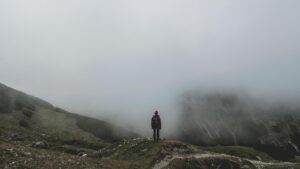
This Utah labyrinth spans 96km of unmarked canyons, where disorientation and dehydration threaten. I got turned around for hours, saved only by my GPS. The red rock vistas are worth the challenge.
Best Routes for Safety
The 3-5 day backcountry loop requires a permit ($30). Spring or fall avoids extreme heat. Hire guides via Canyonlands Outfitters for navigation.
Why It’s Survivable
Modern GPS and ranger patrols make rescues possible. Carry 4L of water daily. Few fatalities occur with proper planning, unlike in past decades.
El Caminito del Rey, Spain
Once the “world’s most dangerous walkway,” this 3-mile cliffside path in Málaga now has sturdy boardwalks. My heart raced crossing 100m-high gorges, but railings kept me steady. It’s a thrill with safety upgrades.
Best Routes for Safety
The linear path (2-3 hours) requires helmets and bookings ($10) via the official site. March-May or September-November avoids heat. Guided tours enhance safety.
Why It’s Survivable
Renovations since 2015 eliminated crumbling paths, reducing deaths to near zero. Safety gear and guides make it accessible for fit beginners.
Chadar Trek, India
This 65km winter trek crosses the frozen Zanskar River at 11,000 feet, with temperatures dropping to -30°C. Ice cracks unnerved me, but local guides knew every step. Frozen waterfalls are the reward.
Best Routes for Safety
The 6-9 day trek from Chilling is best in January-February. Join guided groups via Adventure Pulse for expertise. Warm gear is critical.
Why It’s Survivable
Local Zanskari guides and stable ice conditions (checked daily) minimize risks. No recorded deaths in recent years, thanks to improved logistics.
Drakensberg Traverse, South Africa
This 150-mile unmarked trail scales rickety chain ladders and faces lightning storms. I gripped those ladders like my life depended on it—because it did. The escarpment views are jaw-dropping.
Best Routes for Safety
The 5-7 day northern section starts at Sentinel Peak. October-November avoids storms. Guides via Drakensberg Adventures are recommended.
Why It’s Survivable
Experienced guides and weather monitoring cut risks. Over 55 deaths pre-1985, but modern planning keeps fatalities rare.
Aonach Eagach Ridge, Scotland
This 6-mile ridge in the Highlands demands scrambling over exposed cliffs. Fog nearly disoriented me, but my guide’s rope kept us safe. The Glen Coe views are unmatched.
Best Routes for Safety
The one-day scramble from Glencoe is best in June-August. Hire guides via West Coast Mountain Guides for safety. Basic climbing skills help.
Why It’s Survivable
Guides and harnesses mitigate falls. Few fatalities occur with proper support, despite the ridge’s fearsome reputation.
Snowman Trek, Bhutan
This 217-mile, 25-day trek crosses nine passes above 16,000 feet. Altitude and remoteness challenge even pros, but Bhutan’s guides kept my group grounded. Himalayan vistas are otherworldly.
Best Routes for Safety
The Paro-Nikka Chhu route is best in October. Permits ($250/day) include guides via Bhutan Tourism. High fitness is essential.
Why It’s Survivable
Mandatory guides and medical support ensure safety. No recent fatalities, though exhaustion is common without training.
Kokoda Track, Papua New Guinea
This 60-mile WWII trail battles malaria, mud, and heat. Crossing a log bridge in a downpour tested my nerve, but local porters were lifesavers. Jungle scenery is humbling.
Best Routes for Safety
The 4-10 day trek from Owers’ Corner needs guides via Kokoda Track Authority ($500). April-September avoids heavy rain.
Why It’s Survivable
Guides, anti-malaria meds, and porters reduce risks. Fatalities are rare with modern tours, unlike the 2009 crash.
Comparison Table:
| Trek | Distance | Duration | Main Risks | Best Season |
|---|---|---|---|---|
| Everest Base Camp | 80 miles | 8-14 days | Altitude sickness | Apr-May, Sep-Oct |
| Kalalau Trail | 11 miles | 1-2 days | Cliffs, riptides | May-Sep |
| Huayna Picchu | 2.5 miles | 2-3 hours | Slippery steps | May-Sep |
| The Maze | 96 km | 3-5 days | Dehydration, disorientation | Mar-May, Sep-Nov |
| El Caminito del Rey | 3 miles | 2-3 hours | Heights | Mar-May, Sep-Nov |
Pros and Cons:
- Everest Base Camp: Pros: Iconic views, guided support; Cons: Altitude risks, high cost ($1,500+).
- Kalalau Trail: Pros: Stunning coast, short duration; Cons: Slippery cliffs, permit limits.
- Huayna Picchu: Pros: Quick trek, Machu Picchu views; Cons: Steep drops, crowded.
- The Maze: Pros: Remote beauty, solitude; Cons: Navigation challenges, no water.
- Chadar Trek: Pros: Unique ice trek, cultural immersion; Cons: Freezing temps, ice instability.
Essential Gear for Dangerous Treks
Quality gear is your lifeline. A 40-60L backpack, sturdy boots, and weather-specific layers are musts. For high-altitude treks, pack oxygen or Diamox. My Kalalau trek taught me: never skimp on waterproof gear.
Gear Checklist:
- Backpack: Osprey Atmos 50L ($270).
- Boots: Salomon X Ultra 4 ($150).
- Navigation: Garmin GPSMAP 66i ($600).
- Safety: First-aid kit, emergency blanket, PLB ($300).
- Clothing: Waterproof jacket, fleece, base layers.
Where to Get Gear and Guides
Buy from REI or Backcountry for reliable gear; rent in hubs like Kathmandu or Cusco to save costs. Guided tours via Explore-Share or local operators like Kokoda Track Authority ensure safety. Check reviews on TripAdvisor for trusted providers.
Safety Tips for Survival
Preparation is your shield—train for endurance, study routes, and hire guides for technical treks. Carry 3-4L water, a PLB, and offline maps. My near-fall in Peru drove home the need for proper footwear and pacing.
Safety Dos and Don’ts:
- Do: Train 3-6 months prior; test gear on shorter hikes.
- Don’t: Ignore weather warnings or trek alone.
- Do: Pack extra food (1.5 lbs/day) and water purifiers.
- Don’t: Underestimate altitude or terrain risks.
Personal Stories from the Edge
On the Chadar Trek, I slipped on ice, saved by a guide’s quick grab—my heart didn’t settle for hours. In Drakensberg, lightning cracked nearby, but my group’s early start dodged the storm. An X user shared: “Kalalau’s cliffs scared me silly, but the beach at the end was paradise.” These moments teach respect for nature’s might.
People Also Ask
- What’s the most dangerous trek in the world? Everest Base Camp, due to altitude sickness and remoteness, claims 3-15 lives yearly but is survivable with guides.
- Are dangerous treks safe for beginners? Not usually—most require experience, but guided options like El Caminito del Rey suit fit novices.
- How do I prepare for a high-altitude trek? Train with cardio, acclimatize gradually, and carry meds like Diamox. Consult a doctor first.
- Where can I book guided treks? Use Explore-Share or local operators like Himalayan Glacier for trusted, safe tours.
FAQ
Q: How long should I train for a dangerous trek?
A: 3-6 months of cardio, strength training, and practice hikes build endurance. Test gear on shorter trails.
Q: What’s the cheapest dangerous trek?
A: El Caminito del Rey ($10 entry, $50-100/day with guides) is budget-friendly and safe with upgrades.
Q: Do I need a guide for these treks?
A: Yes for most—guides navigate risks like altitude (Everest) or ice (Chadar). Solo treks are riskier.
Q: What’s the best season for dangerous treks?
A: Varies—spring/fall for most (e.g., Everest, Maze); summer for Scotland; winter for Chadar.
Q: How do I avoid altitude sickness?
A: Acclimatize over days, stay hydrated, and use Diamox if prescribed. Monitor symptoms like nausea.
These treks test your grit but reward with views that sear into